

AI Floor Cleaning Robotics
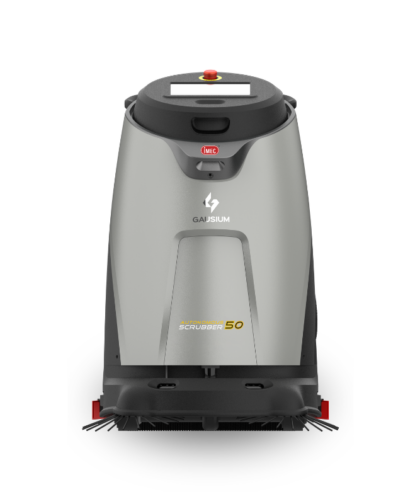
IMEC Ai Robotics 50X PRO PLUS – AI Robotic Scrubber for Commercial & Industrial Cleaning

AI Floor Cleaning Robotics
IMEC Ai Robotics 75P – AI Robotic Ride On Scrubber Productivity Large Area

AI Floor Cleaning Robotics
AI-Powered Robots
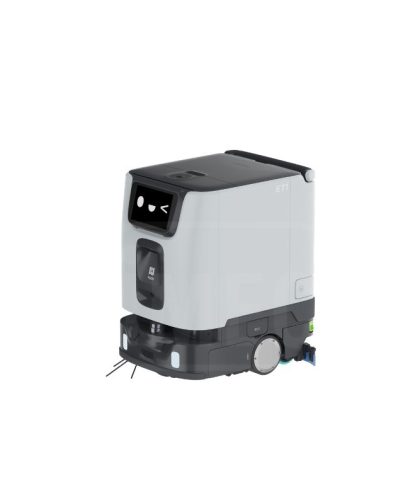
IMEC ET1 Commercial AI Floor Cleaning Robot for Compact Spaces
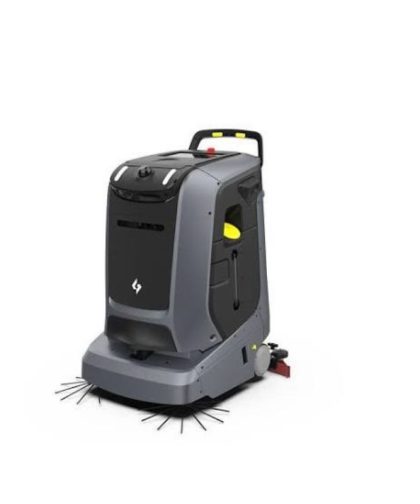
AI-Powered Robots
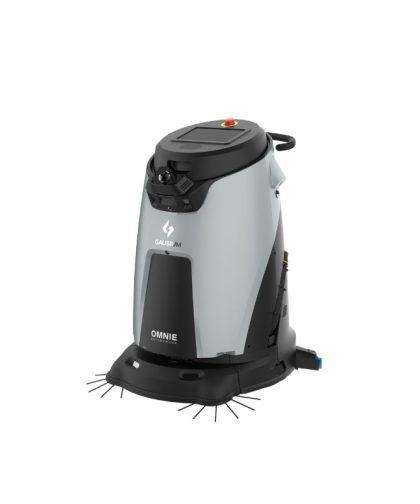
IMEC GS MIRA AI Floor Sweep and Scrub Robot for Commercial Spaces
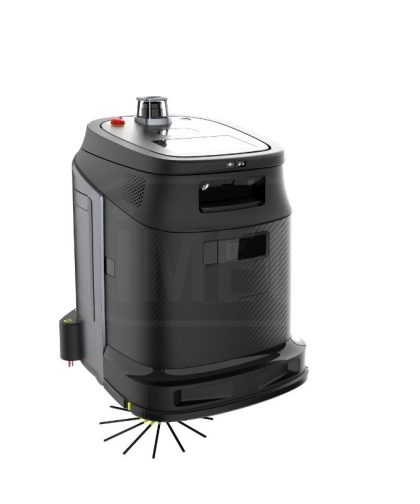
AI Floor Cleaning Robotics
IMEC PHANTAS PRO -AI ROBOTIC 4 IN 1 COMMERCIAL ROBOT FLOOR CLEANER | AI Robotic Floor Cleaner

AI Floor Cleaning Robotics

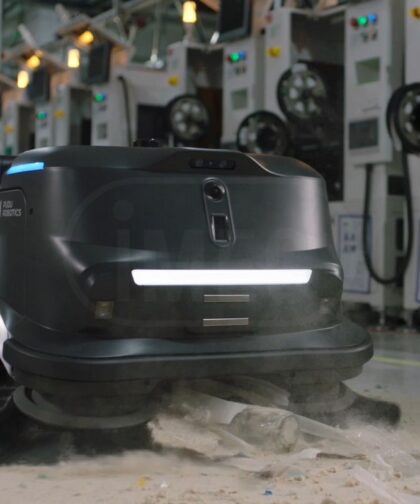
AI Floor Cleaning Robotics
IMEC PUDU MT1 -Ai ROBOTIC FLOOR SWEEPER MACHINE DESIGNED FOR BIG VANUE

AI-Powered Robots
IMEC PUDU MT1 MAX – AI Robotic Sweeper with 3D Perception Technology

AI-Powered Robots
AI Robotic Cleaning Machine For Commercial Floor Care
Modern facilities need cleaning that stays consistent, even during peak traffic. An AI robotic cleaning machine (often searched as an AI cleaner) automates routine floor work with intelligent navigation – helping teams maintain hygiene standards while reducing repetitive manual labour. iMEC positions its lineup as AI cleaning robots built for commercial and industrial environments, with capabilities like multi-surface performance, self-charging workflows, and fleet management for multi-robot operations.
Why AI Cleaning Robots Are Replacing Manual-Only Routines
Since 1992, iMEC has been Malaysia’s trusted partner for commercial cleaning supplies – supporting businesses with solutions designed for efficiency, long-term value, and practical implementation.
AI-Driven Navigation That Works In Real Environments
AI cleaning robots use sensors and navigation systems (e.g., LiDAR and camera-based perception) to map routes, avoid obstacles, and adapt to dynamic spaces. iMEC highlights safety and adaptability features such as collision sensing, trash recognition, and dynamic navigation.
24/7 Productivity With Smarter Operations
Continuous operation becomes possible when cleaning schedules and charging cycles are automated. iMEC emphasizes self-charging, IoT integration, and fleet management to support “always-on” maintenance across facilities.
Consistent Results Across Shifts And Sites
With programmable schedules and automation, cleaning quality becomes less dependent on staffing variability – especially valuable for multi-site operators and high-traffic facilities.
Choose The Right Automatic Floor Cleaner By Task Type
Autonomous Scrubber For Deep Scrub And Hygienic Finish
Scrubber-style robots handle daily floor washing for commercial and industrial sites.
- iMEC Ai Robotics 50X PRO PLUS is described as an AI robotic scrubber for autonomous floor cleaning, using deep-learning algorithms and sensor fusion (2D LiDAR + 3D/RGB cameras) for high-accuracy perception and advanced decision-making.
- iMEC Ai Robotics 75P is positioned to improve productivity with a simplified programming interface and an advanced filtration system designed to keep recycled water clear for “impeccable cleaning.”
Best for: hospitals, commercial corridors, factories, logistics areas, and large floorplate operations needing consistent scrub-and-dry outcomes.
AI Robotic Vacuum For Daily Dust And Fine Debris
For routine maintenance, a vacuum-focused robot reduces the need for constant manual vacuuming.
- iMEC Ai Robotics V40 highlights deep-learning with sensor fusion (2D LiDAR + 3D + long-range LiDAR) and a secondary collision bumper for protection, supporting higher-accuracy perception and real-time decision-making.
Best for: offices, retail spaces, mixed-use corridors, and daily upkeep where dust control and consistency matter.
4-In-1 Multi-Surface Robot For Mixed Flooring
If your facility includes both hard floors and carpet zones, a multi-function unit reduces the need to switch machines.
- iMEC PUDU CC1 lists four functions (sweeping, scrubbing, vacuuming, and mopping), up to 1000 m²/h performance, edge cleaning via side brush, LiDAR/sonar/visual safety sensors, and fleet management reporting (time/area). It also specifies broad surface compatibility (tiles, carpet, wood, vinyl, epoxy, marble, granite, polished flooring).
Best for: hotels, schools, mixed-surface commercial buildings, and environments that want one robot to handle multiple routines.
Robotic Sweeper For Large Venues And Continuous Debris Pickup
Sweeper-style robots suit wide areas where litter and debris accumulate throughout the day.
- iMEC PUDU MT1 highlights AI trash recognition, LiDAR SLAM + VSLAM navigation, versatile sweeping, 24/7 continuous operation, multi-sensor protection, manual/automatic mode switching for staff intervention, and IoT integration with elevators/gates for multi-floor cleaning.
- iMEC PUDU MT1 MAX is described as an autonomous commercial cleaning robot with advanced 3D perception technology for large spaces and real-time obstacle avoidance, aimed at malls, warehouses, factories, and high-traffic facilities.
Best for: malls, warehouses, factories, convention spaces, and facilities needing continuous sweeping coverage.
Where AI Robotic Cleaning Machines Deliver The Best ROI
High-Traffic Commercial Environments
Retail, hospitality, and public-facing spaces benefit from discreet, repeatable cleaning routines and predictable floor appearance.
Industrial And Logistics Operations
Large-area productivity, filtration/recycling workflows, and durable performance matter most for factories and warehouses.
Smart Buildings And Multi-Floor Sites
IoT compatibility (elevators, gates, and infrastructure integration) supports automation across connected facilities.
How To Select The Best AI Cleaner For Your Facility
- Floor Type: hard floor-only vs mixed surfaces (hard + carpet)
- Soil Profile: dust/fine debris vs litter vs sticky grime needing scrubbing
- Area Size: compact zones vs large venues (sweeper/ride-on formats)
- Operating Hours: daytime maintenance vs overnight runs; fleet management for multiple units
No schema found.
